
Common Signs & Symptoms
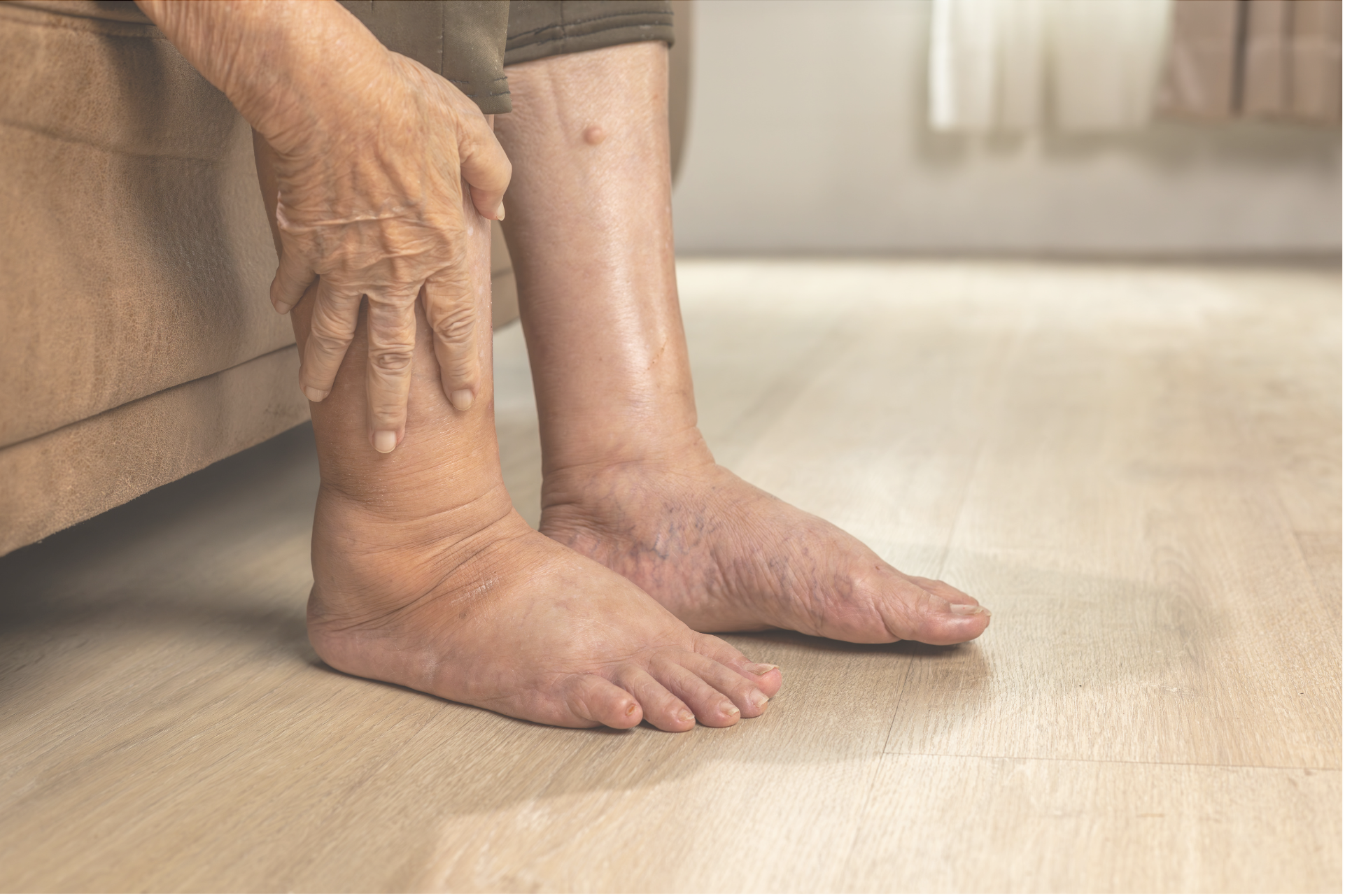
- Swelling in the arms, legs, or other area.
- A feeling of heaviness or tightness in the limb
- Reduced flexibility or range of motion
- Recurring infections in the affected area
- Skin changes such as thickening or hardening
Request an appointment
Reserve your spot with our medical team in just minutes.
Could it be Lymphedema?
Answer a few simple questions to better understand your symptoms. This is not a medical diagnosis — always consult your physician for a clinical evaluation.
Persistent swelling that remains after rest or sleep is one of the most common early indicators of lymphedema. Unlike swelling caused by injury or temporary inflammation, lymphedema-related swelling tends to be chronic and progressive without proper management.
A sensation of heaviness or pressure in a limb is often one of the first symptoms patients notice before visible swelling appears. This feeling is caused by fluid accumulating in the tissue when the lymphatic system is not draining properly.
Cancer treatment, particularly surgery or radiation involving the lymph nodes, is one of the leading causes of secondary lymphedema. If you have a history of breast, gynecologic, prostate, or other cancers, your risk is significantly elevated.
When swelling becomes significant enough to affect how clothing or accessories fit, it suggests the lymphatic system may be struggling to manage fluid volume in that area of the body.
Lymphedema symptoms frequently intensify with prolonged activity or inactivity. If you notice your swelling increases throughout the day or after exercise, this pattern is consistent with lymphatic dysfunction.
Skin changes in the affected area can indicate that lymphedema has progressed beyond the early stages. Chronic fluid buildup in the tissue can alter skin texture over time, making early intervention especially important.
The lymphatic system plays a key role in immune function. When it is compromised, the affected area becomes more susceptible to bacterial infections. Recurring cellulitis or skin infections in a swollen limb are a significant warning sign.
Lymph node removal, commonly performed during cancer surgery, directly disrupts the lymphatic drainage pathway. Even if symptoms did not appear immediately after surgery, lymphedema can develop months or even years later.
What Your Answers Might Mean
If you answered yes to three or more of these questions, we encourage you to speak with your physician about lymphedema. Our team is here to help you understand your options.
How Lymphedema is Diagnosed
Lymphedema is typically identified through a combination of physical evaluation and diagnostic tools. Understanding the process can help you feel more prepared when you speak with your physician.